When Is the Best Time to Visit Valencia: Fallas, Summer or Winter?
6 min read
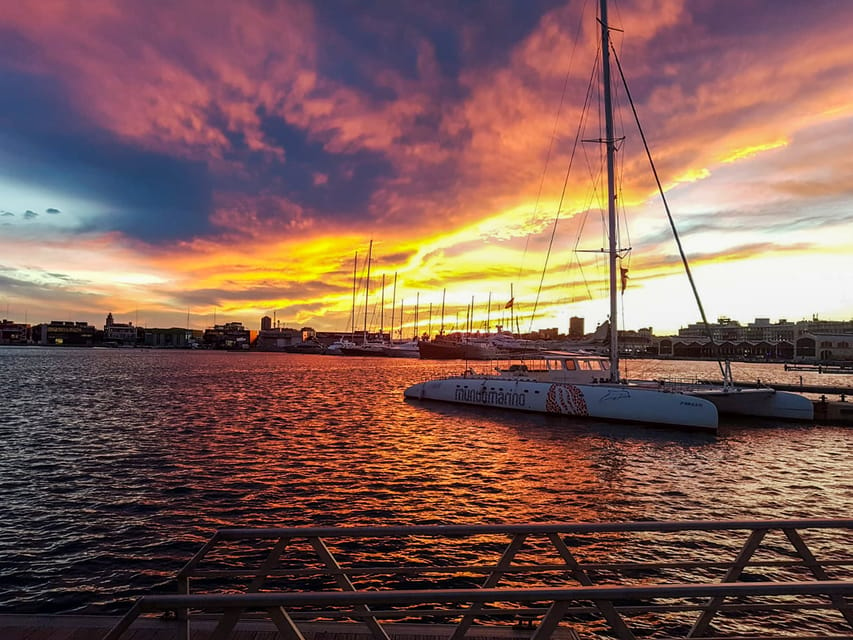
For most city-break travellers, the best time for Valencia is late spring or early autumn: outdoor days are easier to balance than at midsummer, while the marina, Turia Gardens and old town still work together. Come in mid-March only if Fallas is the purpose of the trip; crowds, fireworks and street closures are part of the experience, not background decoration. Choose winter for museums, food and lower-intensity sightseeing rather than a guaranteed beach holiday. In the warmer, brighter part of the year, finish one day with the sailing catamaran cruise with sunset option and DJ, starting at €15 and rated 4.2 from 5,049 reviews.
March: choose Fallas, not a normal city break
Valencia’s official visitor organisation describes the main Fallas dates as 15–19 March, with daily mascletà events beginning earlier in the month and the monuments burned on the final night. Those dates explain both the appeal and the disadvantage. You get temporary street art, processions, noise and a city focused on one festival; you do not get an ordinary week in which every route and bedtime works as planned.
Book March for Fallas if you actively want the festival. Travellers sensitive to loud explosions, families needing predictable sleep and anyone hoping to move quickly through the centre should choose another period. Accommodation and transport need earlier planning than for a routine weekend. Exact programmes and access arrangements change by edition, so use the official festival schedule for your year.
Summer: beach and long evenings, with a heat trade-off
June to August makes the coast and marina central to the trip. A morning in the old town, a slower afternoon and an evening on the water form a more realistic rhythm than continuous sightseeing. The penalty is that exposed plazas, the City of Arts and Sciences and long stretches of beach can feel demanding in the middle of the day.
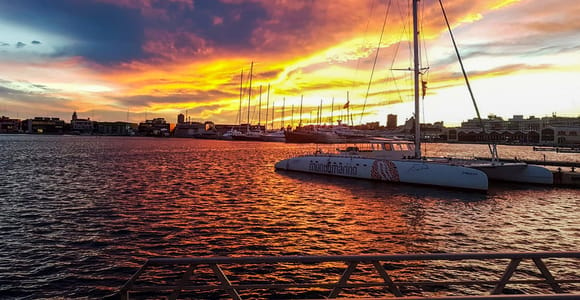
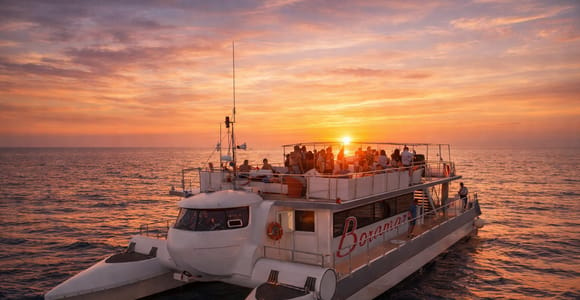
The sunset catamaran is attractive here because the harbour departure becomes part of an evening rather than another hot daytime activity. The selected offer lasts about one to one and a half hours; the glass of cava comes only with the sunset option, and the live DJ is a separate option whose note on the booking page still refers to Wednesdays from June to September 2023, so check whether it runs on your date. The page marks the cruise as not suitable for people with mobility impairments. Travellers wanting silence should choose a different cruise.
Check dates and prices for the sunset catamaran cruise
Winter: better for streets and interiors than swimming
Winter suits visitors who value the Central Market, museums, architecture and meals more than a fixed beach routine. Valencia is milder than many northern European cities, but “mild” does not promise warm sea days or cloudless afternoons. Shorter daylight also changes how much can fit before an evening reservation.
This is a good season for a compact cultural itinerary: old town first, then one major indoor attraction, with the Turia Gardens used when the weather cooperates. Conditions can change, so verify the chosen sailing date instead of treating a summer-style programme as year-round.
The shoulder-season answer
April to June and September to October give most visitors the best compromise. The choice within those periods depends on priority: later spring for lengthening evenings, early autumn for a sea that has had summer to warm, and either for sightseeing without building the entire day around peak heat. Rain and wind remain possible; a season is a tendency, not a booking guarantee.
The final choice is therefore specific: pick late spring or early autumn for a first visit, mid-March for Fallas, summer for beach-and-evening energy, and winter for culture and food. If sunset from the water belongs in your plan, reserve the catamaran for the date that actually shows availability rather than assuming every season runs the same timetable.