Is Bioparc Valencia Worth the Ticket, and Who Will Enjoy It Most?
6 min read
For most visitors choosing this attraction, book the Bioparc Valencia admission ticket. It starts at €29.50 and is rated 4.8 from 3,134 reviews. The ticket is a good fit if your group wants land animals and landscaped habitats rather than aquarium halls. Families torn between the Bioparc and Oceanogràfic should choose by animal interest, not by trying to squeeze both into one exhausting day.
What the ticket is actually for
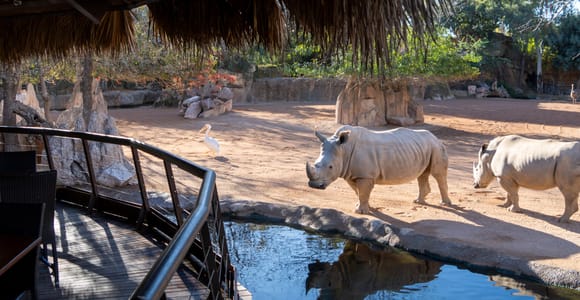
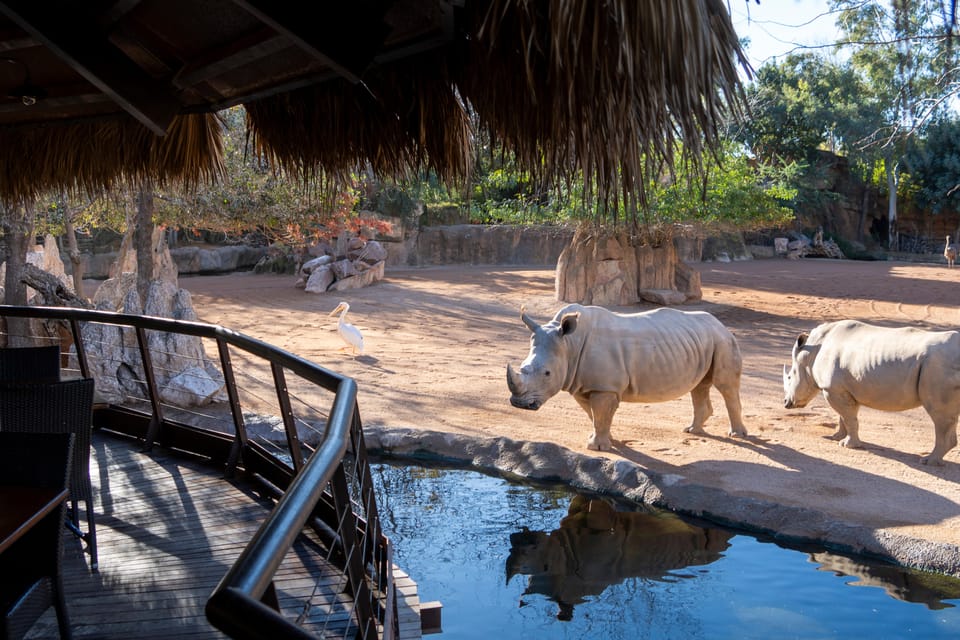
The listing puts African ecosystems at the centre and names lions, giraffes, lemurs and hippopotamuses in areas dedicated to different habitats. That is the essential promise: the park groups the experience around habitats rather than presenting itself as a zoo with every species imaginable. The distinction matters if a child has one “must-see” animal, because the booking page should be checked before purchase rather than assuming it will be there.
The admission product is simple. It is an entry ticket for a time slot you choose, and you explore the park at your own pace. In exchange you set the pace and the pauses yourself, which suits families who need to stop often; note that the page says you cannot re-enter after leaving unless you buy a new ticket. Food and drinks are not allowed except water in non-glass containers, and the page lists a €7 parking fee per car at the entrance. It is less helpful for travellers who want a guide to explain each habitat or who only have a short gap between other reservations.
See availability and prices for Bioparc Valencia
Bioparc or Oceanogràfic?
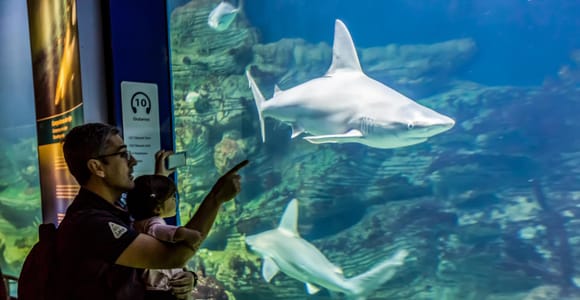
Choose Bioparc for lions, giraffes, lemurs and hippopotamuses in areas arranged by ecosystem. Choose the Oceanogràfic for sharks, fish, whales and other marine species in separate ocean environments. Unlike the Bioparc ticket, which can be cancelled free of charge up to 24 hours ahead, the Oceanogràfic ticket is non-refundable; from 2 November to 30 December the aquarium opens 10:00–18:00 Sunday to Friday and 10:00–19:00 on Saturdays, according to its booking page. The two attractions are not substitutes in content, but they compete for the same valuable part of a family itinerary: the hours when children still have energy and adults are willing to move slowly.
Doing both on one day may look efficient on a map, yet it makes every pause feel costly. A better plan is one major animal attraction, an unhurried meal and an open-ended stop in a park or neighbourhood afterwards. If rain, heat or mobility affects your choice, check the current visitor information for your day, including what the booking page says about wheelchair access, shade and indoor areas.
Who should skip it
Bioparc is a weak choice for someone uncomfortable with animal attractions, for a visitor whose priority is Valencia’s architecture, or for a group expecting rides and scheduled entertainment. It is also not the cheapest way to fill two casual hours. The value comes from paying attention to habitats and animals, not from ticking off another city sight.
Children aged 0 to 3 enter free, and box office staff may ask for a document proving age. Likewise, animal visibility can vary; an admission ticket is access to the park, not a promise that every animal will be active in front of you.
Do not schedule a tight reservation afterwards. A zoo does not end on the minute like a guided tour: you pass quickly through a quiet area and stay longer where the animals are active. That freedom is part of what you pay for.
My recommendation
Choose Bioparc Valencia when land animals are a genuine priority and keep the rest of the day light. If marine life is the stronger interest, spend the budget at the Oceanogràfic instead. Buying both only makes sense on separate days.